사람들은 어떤 제품의 형태에 매력을 느낄까?
지난 글에서 우리는 제품의 형태가 브랜드를 기억하게 만드는 중요한 에셋이 될 수 있다고 이야기했습니다. 그렇다면 다음 질문이 자연스럽게 이어집니다. 어떤 형태가 사람들에게 매력적으로 다가가는 걸까요?
우리는 흔히 독특한 디자인일수록 사람들의 시선을 끈다고 생각합니다. 실제로 기존에 없던 새로운 형상은 우리의 시선을 붙잡습니다. 하지만 시선을 끄는 것과 매력을 느끼는 것은 같은 일이 아닙니다. 제품을 처음 본 순간의 놀라움은 오래가지 않습니다. 시간이 지나도 기억되고, 다시 찾게 만드는 것은 단순한 새로움보다 훨씬 복합적인 요소입니다.
한쪽 끝에는 누구도 본 적 없는 형상이 있습니다. 강력한 브랜드 철학이나 독창적인 개념에서 출발해 기존 제품들과 완전히 다른 형태를 만들어내는 방식입니다. 이러한 디자인은 매우 생경합니다. 우리는 종종 이런 제품을 보며 '예술적이다' 라는 표현을 사용합니다. 그 이유는 새로운 언어를 마주한 것처럼 한 번에 이해하기 어렵기 때문입니다. 형태를 이해하기 위해서는 브랜드의 철학과 의도를 먼저 이해해야 하고, 그 과정 자체가 감상의 일부가 됩니다. 그래서 이러한 디자인은 대중보다는 소수의 사람들에게 더욱 강한 매력을 만들어내는 경우가 많습니다.
반대편 끝에는 누구나 알고 있는 형태가 있습니다. 원기둥이나 사각형처럼 단순한 지오메트릭 형상입니다. 오늘날 대부분의 프리몰드 용기들이 여기에 속합니다. 이러한 형태는 매우 익숙합니다. 사용하는 데 불편함도 없고 거부감도 없습니다. 하지만 동시에 기억될 이유도 없습니다. 이미 너무 많이 보아온 형태이기 때문에 브랜드만의 인상을 남기기 어렵습니다.
우리가 가장 흥미롭다고 생각하는 영역은 이 두 극단 사이에 있습니다. 익숙한 형상에서 출발하지만 브랜드만의 관점을 더해 새로운 형태를 만들어내는 방식입니다. 처음 보는 디자인이지만 왜 그렇게 생겼는지는 이해할 수 있습니다. 브랜드의 철학일 수도 있고, 제품의 기능일 수도 있으며, 사용 경험이나 문화적인 맥락일 수도 있습니다. 중요한 것은 형태가 낯설다는 사실이 아니라, 그 낯섦에 분명한 이유가 있다는 것입니다.
그래서 우리는 새로운 형태를 디자인할 때마다 하나의 질문을 던집니다. ‘이 형태는 왜 이렇게 생겨야만 하는가?’ 그 질문에 브랜드만의 답이 담겨 있을 때 사람들은 비로소 그 형태에 공감하기 시작합니다. 처음에는 새롭게 느껴졌던 형상도 시간이 지나면 브랜드를 대표하는 형상으로 자리 잡습니다.
디자이너가 가장 경계해야 하는 영역도 있습니다. 형태는 독특하지만 그 독특함을 설명할 수 없는 경우입니다. 브랜드의 철학과도 연결되지 않고, 제품의 기능과도 연결되지 않으며, 사용 경험과도 관계가 없습니다. 그저 이전에 없던 새로운 형태를 만들었다는 사실만 남습니다. 이러한 디자인은 처음에는 실험적으로 보일 수 있지만 오래 기억되기는 어렵습니다. 사람들은 잠시 신기하다고 느낄 수는 있어도 공감할 수 있는 실마리를 찾지 못하기 때문입니다.
우리는 이것이 앞서 이야기한 ‘예술적인 디자인’과도 다르다고 생각합니다. 예술은 난해할 수 있지만, 그 안에는 분명한 철학과 맥락이 존재합니다. 반면 이유 없는 새로움은 형태만 남아 있을 뿐, 사람들이 이해할 수 있는 서사가 존재하지 않습니다. 결국 브랜드보다 디자이너의 개성이 먼저 드러나게 되고, 그 형태는 브랜드의 자산으로 축적되지 못합니다.
결국 사람들이 매력을 느끼는 것은 단순히 새로운 형태가 아닙니다. 이해할 수 있는 새로운 형태입니다. 브랜드가 어떤 사람들에게 선택받고 싶은지, 어떤 인상을 남기고 싶은지가 형태 안에 자연스럽게 담겨 있을 때 사람들은 비로소 그 디자인에 공감하고, 기억하고, 브랜드와 연결 짓기 시작합니다.
그래서 우리는 제품의 형태를 디자인할 때 단순히 눈에 띄는 디자인을 만드는 것을 목표로 하지 않습니다. 브랜드의 전략 위에서 너무 낯설지도, 너무 익숙하지도 않은 균형점을 찾습니다. 브랜드의 이야기를 담고 있으면서도 사람들이 직관적으로 이해할 수 있는 형태. 우리는 바로 그 지점에서 가장 강력한 브랜드 에셋이 만들어진다고 믿습니다.
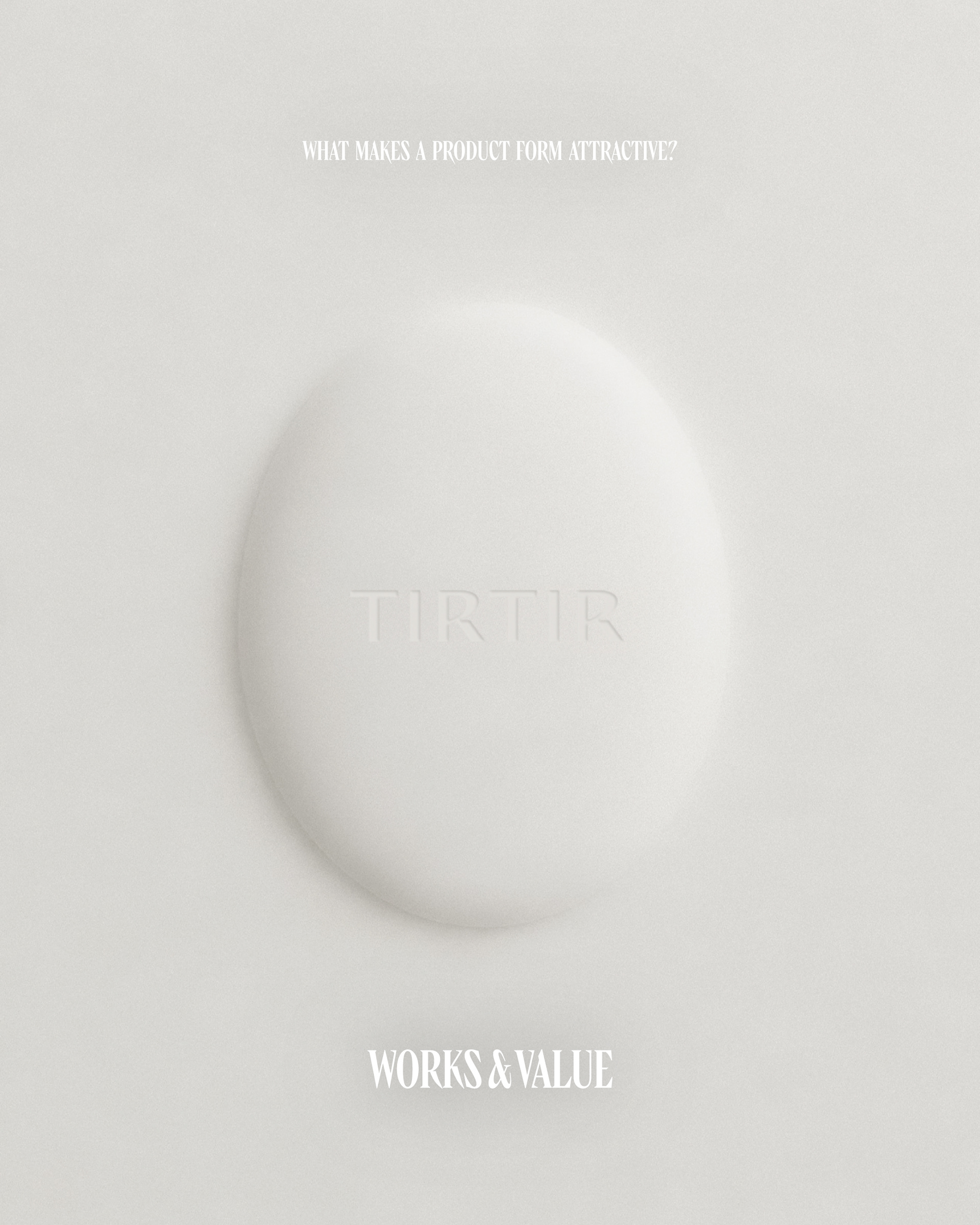
What Makes a Product Form Attractive?
In our previous article, we explored how product form can become one of a brand’s most valuable assets. Naturally, this leads to another question: what kind of product forms do people actually find attractive?
It is easy to assume that the more unique a design is, the more attention it will attract. And to some extent, that is true. A product unlike anything we’ve seen before naturally captures our attention. But attracting attention and creating genuine attraction are not the same thing. The surprise of seeing something new quickly fades. What remains memorable—what people continue to think about and return to—is shaped by something far more complex than novelty alone.
At one end of the spectrum are forms that feel entirely unfamiliar. These are products born from a strong brand philosophy or a truly original concept, resulting in shapes that challenge conventional expectations. We often describe these designs as ‘artistic.’ The reason is simple: like encountering a new language, they cannot be understood immediately. Appreciating them requires first understanding the ideas and intentions behind them. In that sense, interpretation becomes part of the experience itself. As a result, these products often resonate more deeply with a smaller audience than with the mass market.
At the opposite end are forms that everyone already knows. Simple geometric shapes such as cylinders and rectangles fall into this category, and today, most pre-molded containers belong here. These forms feel familiar. They are comfortable to use and rarely create resistance. Yet they also give people very little reason to remember them. Because they have been seen so many times before, they struggle to leave a distinctive impression of the brand.
The area we find most compelling lies somewhere between these two extremes. It begins with familiar forms but reinterprets them through the lens of the brand. The result feels new, yet understandable. People may not have seen the exact form before, but they can intuitively understand why it exists. The reason may come from the brand’s philosophy, the product’s function, the user experience, or a broader cultural context. What matters is not that the form feels unfamiliar, but that there is a clear reason for its unfamiliarity.
That is why every time we design a new product form, we begin with a simple question: Why does this form need to exist this way? When the answer reflects the brand itself, people begin to connect with the design. What initially feels unfamiliar gradually becomes the form people associate with the brand.
There is, however, another category that designers should approach with caution. These are forms that are visually unique but impossible to justify. They are disconnected from the brand’s philosophy, unrelated to the product’s function, and unsupported by the user experience. Their only defining characteristic is that they look different. At first glance, they may appear experimental, but they rarely become memorable because they offer people nothing to relate to beyond the novelty itself.
We believe this is fundamentally different from the artistic approach described earlier. Art may be difficult to understand, but it is rooted in philosophy and context. Novelty without purpose, on the other hand, leaves only an unusual shape. It offers no narrative that people can understand or connect with. In the end, the designer’s personal expression becomes more visible than the brand itself, preventing the form from growing into a lasting brand asset.
Ultimately, what attracts people is not simply a new form. It is a new form that they can understand. When a product’s shape naturally expresses who the brand wants to reach and what it wants people to feel, people begin to connect with it. They remember it. More importantly, they begin to associate that form with the brand itself.
That is why we do not design product forms simply to stand out. We look for the point of balance—forms that are neither too unfamiliar nor too predictable. Forms that tell the brand’s story while remaining immediately understandable. We believe the strongest brand assets are created at that intersection.