브랜드 에셋은 어떻게 진화하고 있는가
우리는 지난 몇 년간 다양한 브랜드 아이덴티티와 패키지, 그리고 제품 디자인 프로젝트를 진행하며 한가지 눈에 띄는 변화를 발견했습니다. 최근 브랜드가 제품에 요구하는 역할이 달라지고 있다는 점입니다. 적어도 디자인의 관점에서는 말입니다.
제품은 오래전부터 브랜드의 중요한 에셋이었습니다. 하지만 이제 브랜드는 제품에 이전과는 다른 역할을 요구하기 시작했습니다. 과거 제품 디자인의 가장 중요한 역할은 브랜드 아이덴티티를 형태로 표현하는 것이었습니다. 브랜드의 철학과 태도를 담아내고, 브랜드다운 제품을 만드는 것이 제품 디자인의 핵심이었습니다. 하지만 최근 제품 디자인 프로젝트에서 브랜드가 요구하는 것은 그보다 한 단계 더 나아갑니다.
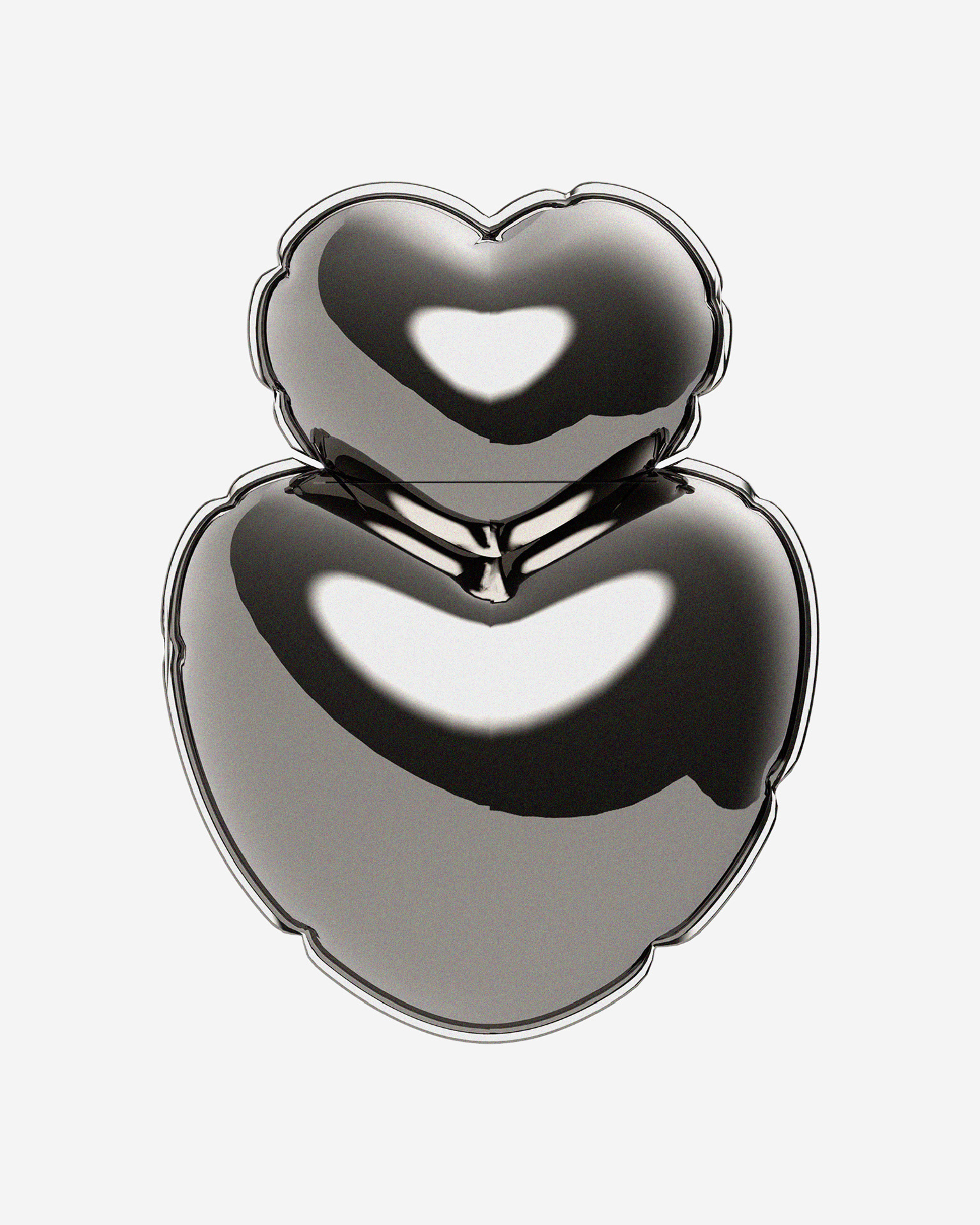
브랜드 아이덴티티를 담아내는 것은 여전히 제품 디자인의 중요한 역할입니다. 하지만 이제 제품에는 그 이상의 역할이 필요합니다. 소비자의 시선을 사로잡고, 사진 한 장만으로도 기억되며, SNS에서 자연스럽게 공유되고, 브랜드에 대한 대화를 만들어내야 합니다. 제품은 브랜드를 표현하는 데서 그치지 않고, 브랜드를 기억하게 만들고, 사람들의 이야기를 이끌어내며, 브랜드의 성장에 기여하는 에셋으로 확장되고 있습니다.
우리는 이러한 변화를 단순한 디자인 트렌드의 변화라고 생각하지 않습니다. 브랜드가 경쟁력을 구축하는 방식 자체가 변화하고 있기 때문입니다. 그동안 브랜드의 시각적 경쟁력은 브랜드 아이덴티티와 패키지 디자인을 중심으로 구축되어 왔습니다. 특히 패키지는 브랜드를 기억하게 만들고 차별화를 이끄는 가장 중요한 브랜드 에셋 가운데 하나였습니다. 하지만 수많은 브랜드와 제품이 시장에 등장하면서 패키지만으로 강한 차별성을 만들어내는 일은 점점 어려워지고 있습니다. 그 결과 브랜드의 관심은 자연스럽게 제품의 형태까지 확장되고 있습니다.
제품의 형태는 패키지보다 더 많은 시간과 비용, 그리고 더 높은 개발 난이도를 요구합니다. 한번 구축되면 쉽게 바꾸기 어렵고, 오랜 시간 브랜드를 대표하는 자산으로 축적됩니다. 우리는 브랜드 경쟁의 무게중심이 점차 더 구축하기 어려운 브랜드 에셋으로 이동하고 있다고 생각합니다. 앞으로 브랜드의 경쟁력은 얼마나 많은 브랜드 에셋을 보유하고 있는지가 아니라, 얼마나 쉽게 대체되거나 모방될 수 없는 에셋을 구축하고 있는가에 의해 결정될 가능성이 더욱 커질 것입니다. 그 과정에서 제품의 형태는 브랜드를 표현하는 수단을 넘어, 브랜드의 인상을 만들고 기억을 남기며, 브랜드의 성장을 이끄는 중요한 경쟁 요소로 자리 잡고 있습니다.
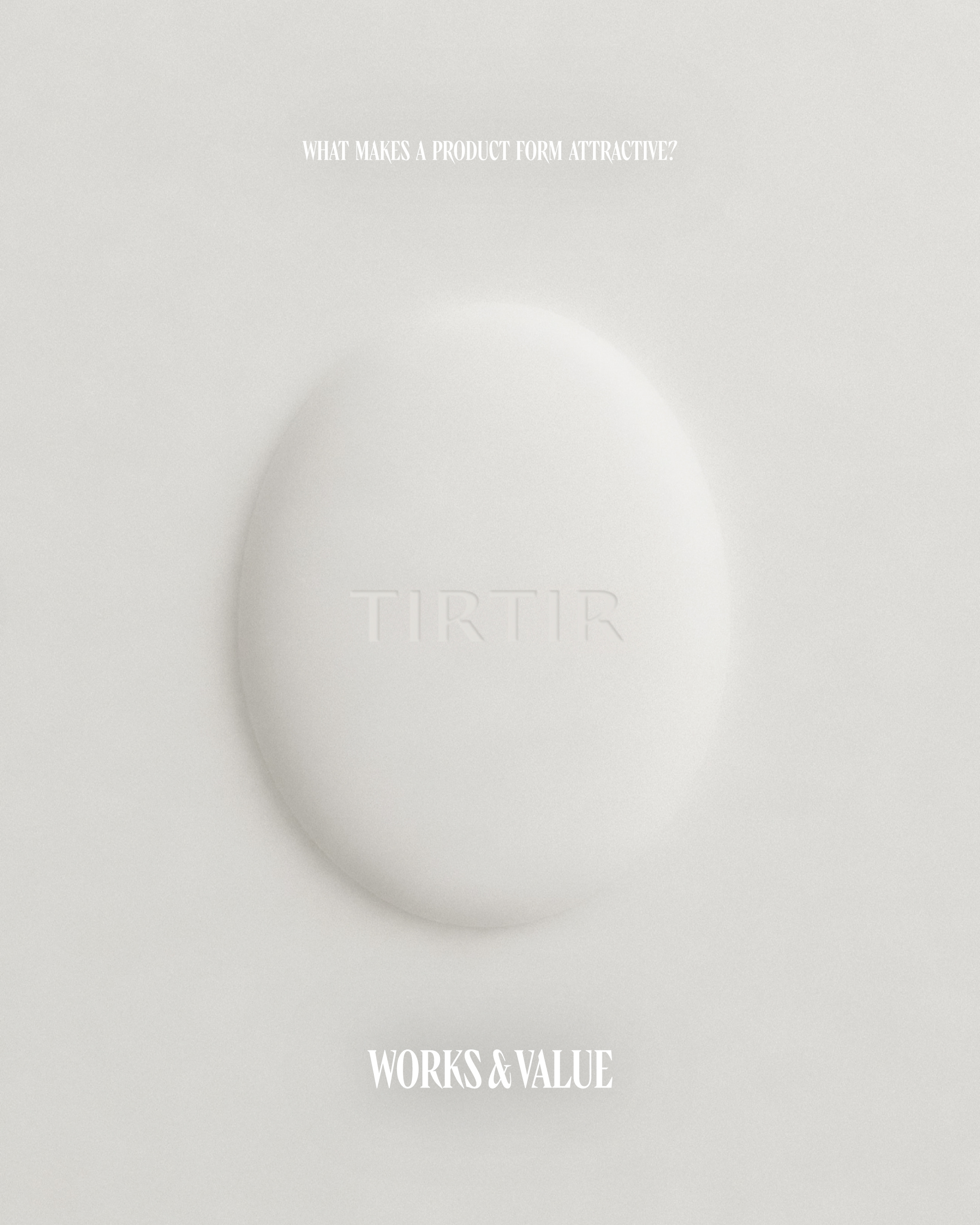
그렇다면 앞으로 브랜드는 어떤 제품의 형태를 만들어야 할까요? 무엇이 사람들에게 더 매력적으로 다가가고, 더 오래 기억되며, 자연스럽게 이야기되는 제품의 형태를 만드는 것일까요? 우리는 그 답이 단순히 ‘더 독특한 디자인’에 있다고 생각하지 않습니다. 사람들이 제품의 형태에 매력을 느끼는 방식에는 분명한 원리가 존재합니다. 다음 글에서는 그 이야기를 해보려 합니다.
Why Product Form Has Become a Brand's Most Valuable Asset
Over the past few years, we've had the opportunity to work on a wide range of brand identity, packaging, and product design projects. Along the way, we've noticed a meaningful shift: the role brands expect products to play is changing—at least from a design perspective.
Products have always been an important brand asset. But today, brands are asking them to do something fundamentally different.
Traditionally, the primary role of product design was to express a brand's identity through form. The goal was to translate a brand's philosophy, personality, and values into a physical object—to create a product that unmistakably belonged to that brand. That remains an essential part of product design, but it is no longer enough.
Today's brands expect product design to go a step further.
A product must still embody the brand, but it also needs to capture attention instantly, become memorable through a single photograph, encourage organic sharing on social media, and spark conversations. Rather than simply representing a brand, products are increasingly expected to help people remember it, talk about it, and ultimately contribute to its growth.
We don't believe this is simply another design trend. It reflects a much broader shift in how brands build competitive advantage.
For decades, a brand's visual differentiation was built primarily through its identity system and packaging design. Packaging, in particular, became one of the most powerful assets a brand could own—an element that made products recognizable and memorable on the shelf.
Today, however, the market is saturated with brands competing for the same attention. As more products enter the market, it becomes increasingly difficult for packaging alone to create meaningful distinction. As a result, many brands are naturally expanding their focus beyond packaging to the product itself.
Unlike packaging, product form requires significantly greater investment, longer development cycles, and far more technical complexity. Once established, it cannot be changed easily. Instead, it accumulates value over time, becoming one of the most enduring assets a brand can own.
We believe the center of gravity in brand competition is gradually shifting toward assets that are inherently more difficult to build.
In the future, a brand's competitive advantage may depend less on how many brand assets it possesses and more on whether those assets can be easily replaced, replicated, or imitated. From this perspective, product form is no longer simply a vehicle for expressing a brand. It has become an asset that shapes first impressions, creates lasting memories, and drives long-term brand growth.
So what kind of product forms should brands create next?
What makes a product more compelling, more memorable, and more likely to be talked about?
We don't believe the answer is simply creating something more unusual or visually distinctive. There are underlying principles behind why certain product forms naturally attract people, stay in their memory, and invite conversation.
That's the topic we'll explore in our next article.